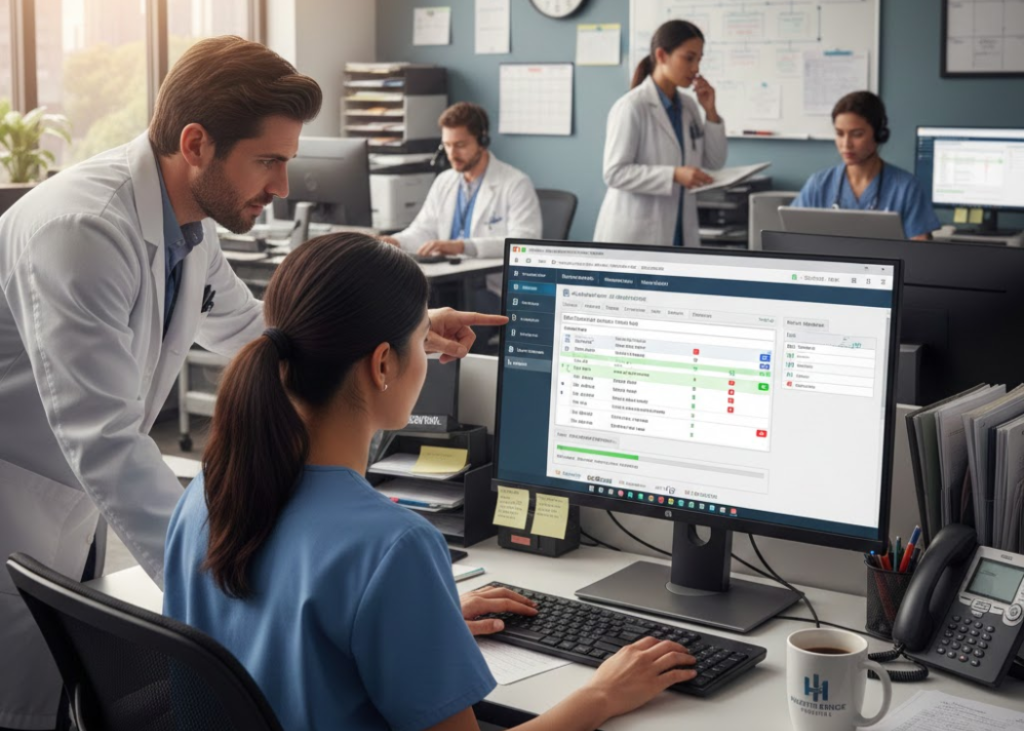
Medical billing in multi-specialty hospitals involves far more than submitting claims. Each department follows different coding rules, payer contracts, and reimbursement timelines. When billing systems fail to keep up, hospitals face delayed payments, rising denial rates, and revenue loss.
Market data highlights why hospitals are investing heavily in billing technology. Grand View Research reports that the global medical billing software market exceeded USD 16 billion in 2023, driven largely by hospital adoption. Research and Markets projects sustained growth in revenue cycle management systems as providers focus on automation and financial accuracy. Meanwhile, SkyQuest confirms that widespread EHR adoption has increased demand for billing systems that integrate directly with clinical workflows.
For multi-specialty hospitals, choosing the right billing software directly affects cash flow, compliance, and operational efficiency. This article reviews the top 10 medical billing software for multi-specialty hospitals, focusing on enterprise readiness, scalability, and real hospital use cases.
How We Evaluated These Systems
Each platform was evaluated based on real hospital needs rather than vendor marketing claims.
Key evaluation factors included:
- High-volume claim processing across departments
- Multi-specialty coding and billing flexibility
- Integration with major EHR systems
- Claim scrubbing and denial prevention tools
- Revenue cycle reporting and analytics
- Compliance and data security standards
- Deployment options and long-term scalability
List Of Top 10 Medical Billing Software
1) Epic Systems
Epic Systems is widely used by large hospital networks seeking a single, unified platform for clinical and financial operations.
Key details
- Deployment: On-premise and private cloud
- Pricing model: Custom enterprise licensing
- Best for: Large multi-specialty hospitals and academic medical centers
Core billing capabilities
- Fully integrated EHR and billing workflows
- Automated charge capture from clinical documentation
- Advanced denial management and follow-up tools
- Enterprise-level financial and RCM reporting
Why hospitals choose Epic
- Centralized billing across all departments
- Reduced data handoffs between clinical and billing teams
Considerations
- Long implementation timelines
- High upfront and ongoing costs
2) Oracle Cerner
Oracle Cerner delivers hospital-grade billing solutions designed for complex healthcare environments.
Key details
- Deployment: On-premise and cloud
- Pricing model: Enterprise contract based
- Best for: Large hospitals already using Cerner EHR
Core billing capabilities
- Claims processing and payer rule validation
- Integrated revenue cycle analytics
- Compliance and audit-ready reporting
Why hospitals choose Cerner
- Strong analytics and financial visibility
- Reliable performance at enterprise scale
Considerations
- Requires detailed customization planning
- Best results when paired with Cerner clinical systems
3) athenahealth
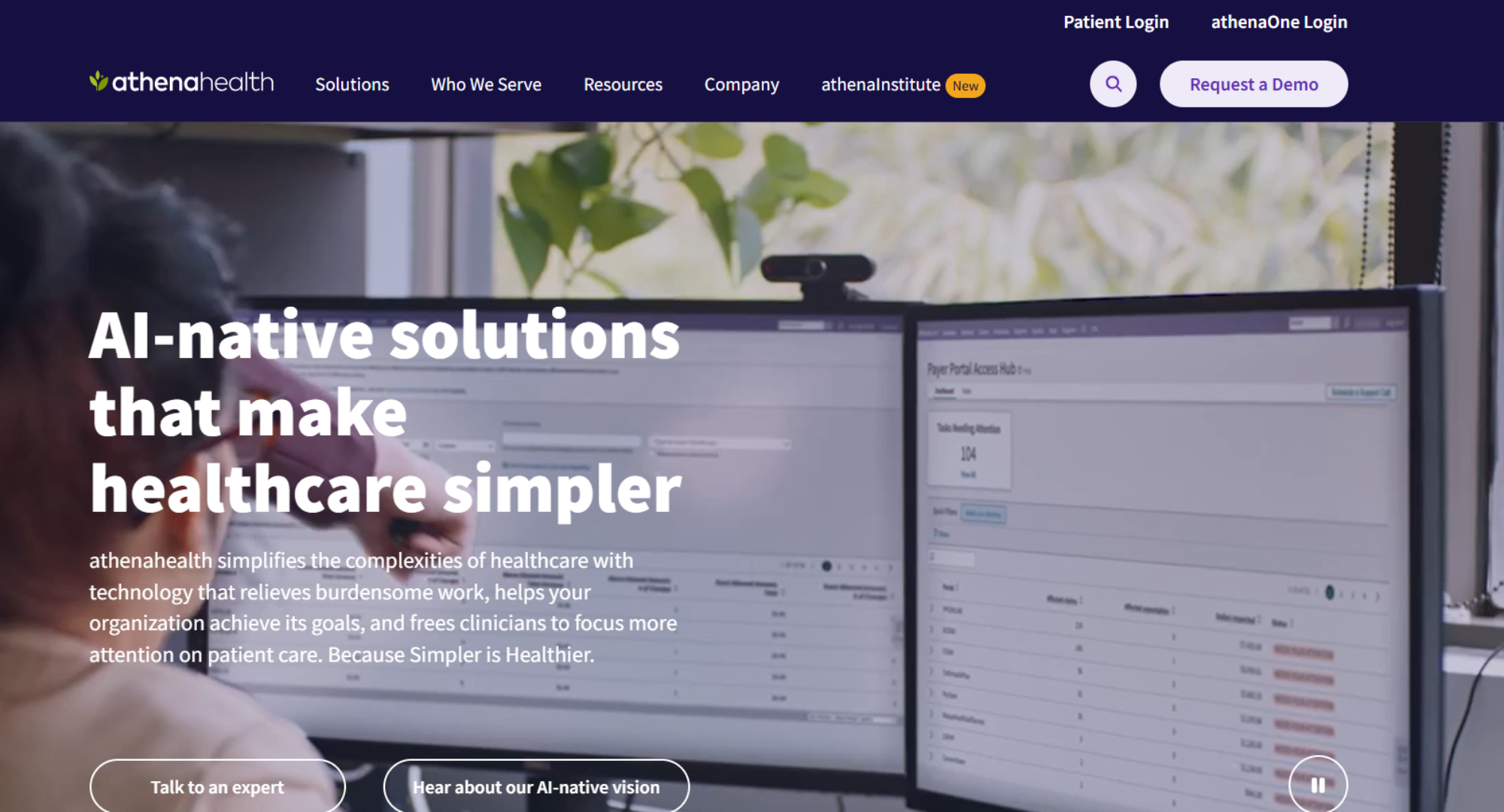
athenahealth offers cloud-based billing with strong payer connectivity and automation.
Key details
- Deployment: Cloud-based
- Pricing model: Percentage of collections or subscription
- Best for: Multi-specialty hospitals seeking faster deployment
Core billing capabilities
- Automated claim submission and follow-up
- Real-time eligibility checks
- Built-in payer rules engine
Why hospitals choose athenahealth
- Reduced claim rejections
- Option for outsourced revenue cycle services
Considerations
- Pricing varies based on service scope
- Less customization than on-premise enterprise systems
4) NextGen Healthcare
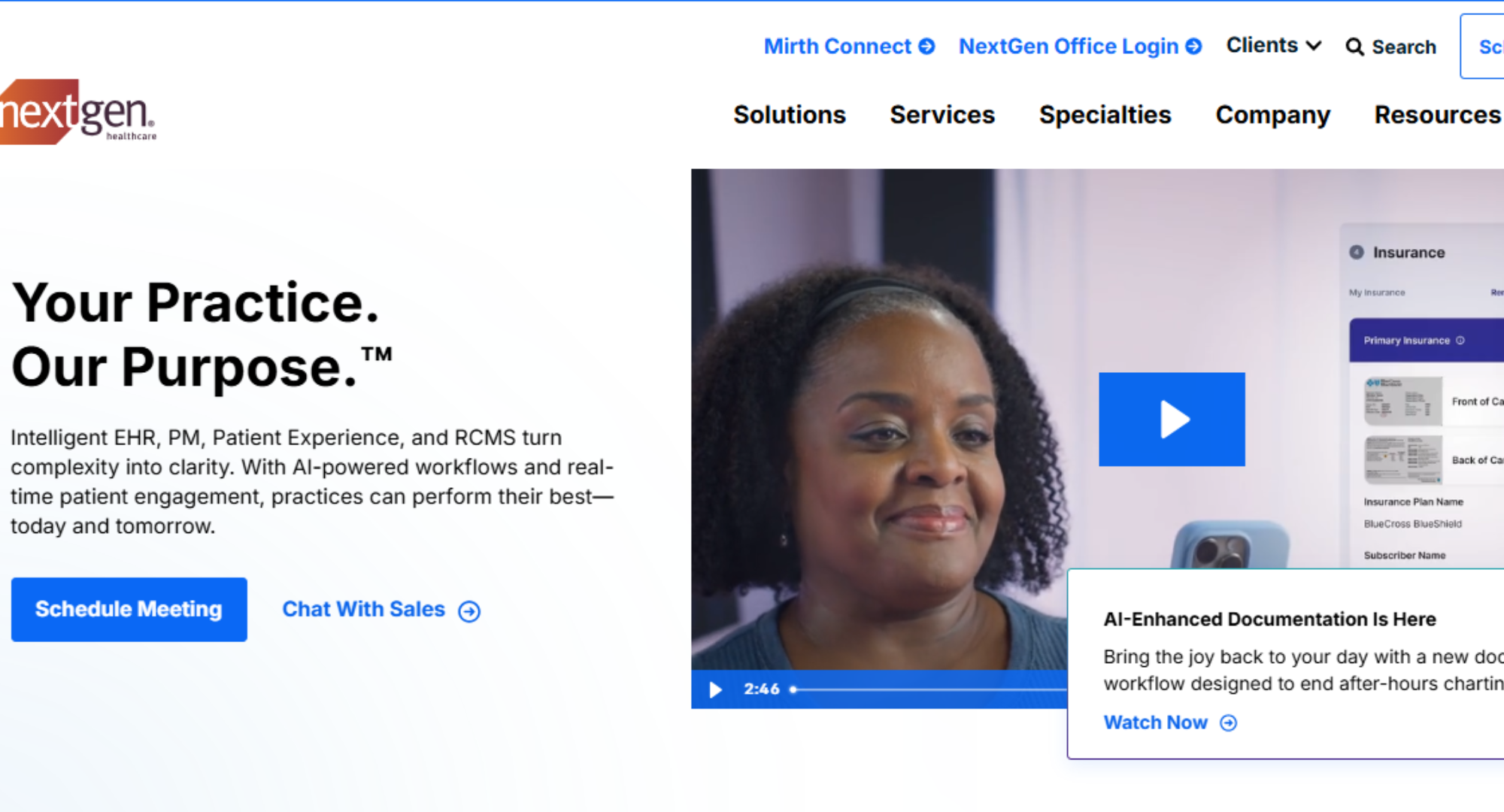
NextGen Healthcare is designed to support complex multi-specialty billing workflows.
Key details
- Deployment: Cloud and on-premise
- Pricing model: Subscription-based
- Best for: Hospitals with diverse specialty departments
Core billing capabilities
- Specialty-specific billing rules
- Integrated coding and charge capture
- Financial dashboards and reporting
Why hospitals choose NextGen
- Flexibility across specialties
- Balanced cost and functionality
Considerations
- Advanced analytics may require add-ons
5) eClinicalWorks
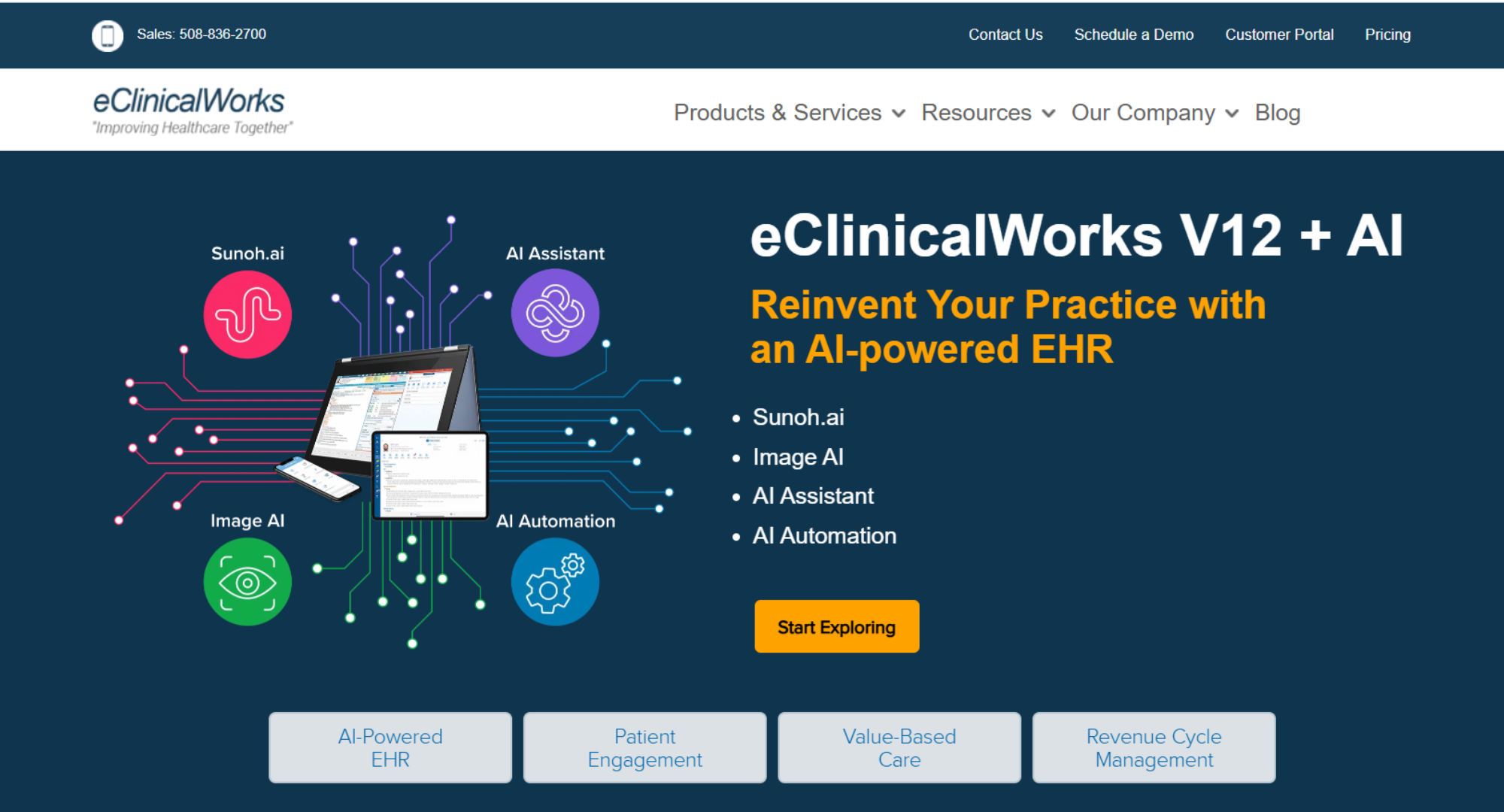
eClinicalWorks provides an integrated EHR and billing solution used by hospital networks and outpatient departments.
Key details
- Deployment: Cloud-based
- Pricing model: Per provider or bundled pricing
- Best for: Hospitals managing inpatient and outpatient billing
Core billing capabilities
- End-to-end claims management
- Patient billing and statements
- Coding assistance and compliance tools
Why hospitals choose eClinicalWorks
- Unified clinical and billing workflows
- Strong interoperability
Considerations
- Scaling requires careful planning
6) MEDITECH
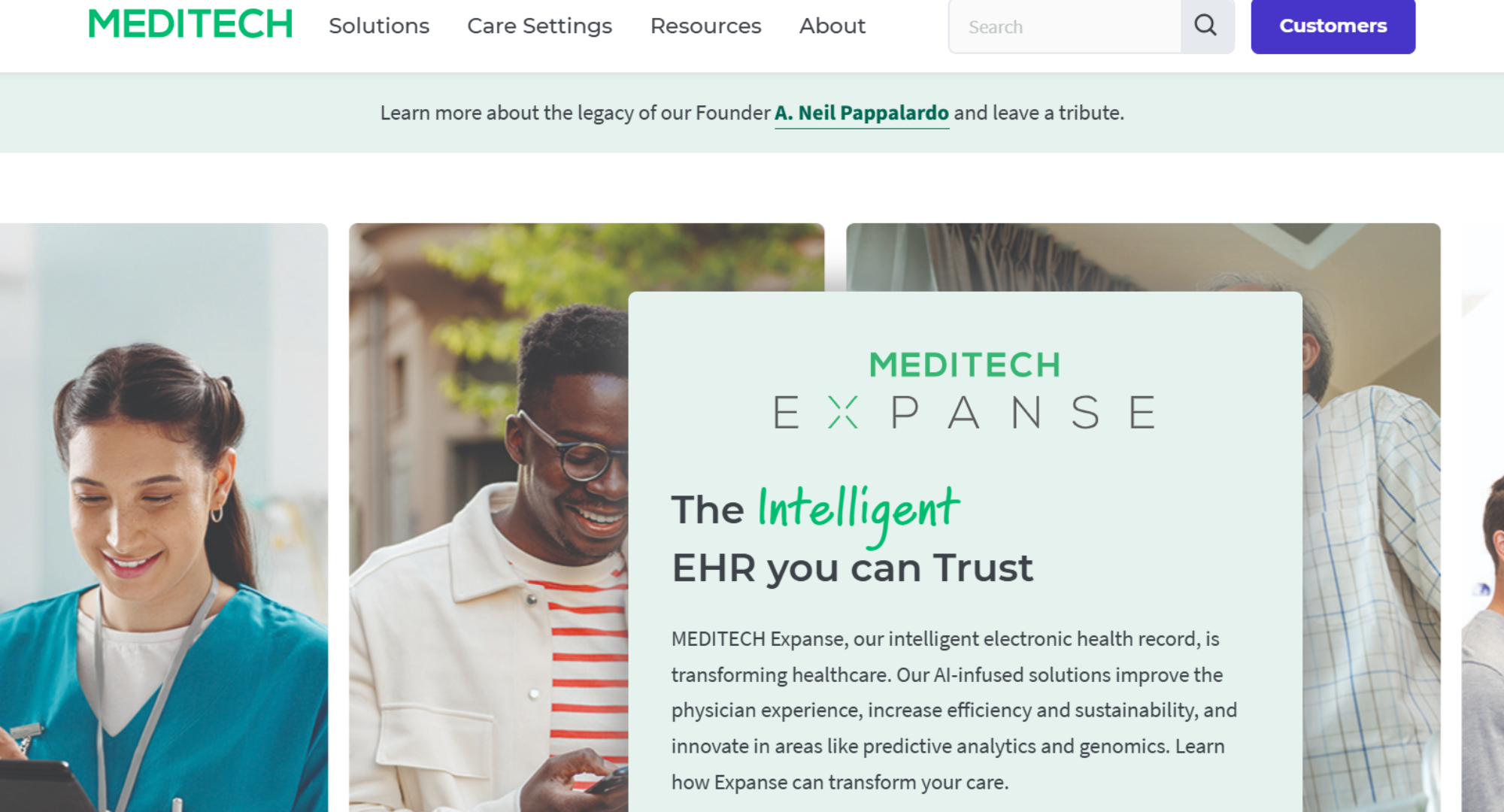
MEDITECH has a long history serving hospital financial and clinical needs.
Key details
- Deployment: On-premise and cloud
- Pricing model: Enterprise licensing
- Best for: Hospitals seeking a single HIS vendor
Core billing capabilities
- Hospital billing and financial accounting
- Revenue cycle reporting
- Compliance-focused workflows
Why hospitals choose MEDITECH
- Reliability in hospital environments
- Integrated financial controls
Considerations
- Modernization depends on chosen platform version
7) AdvancedMD
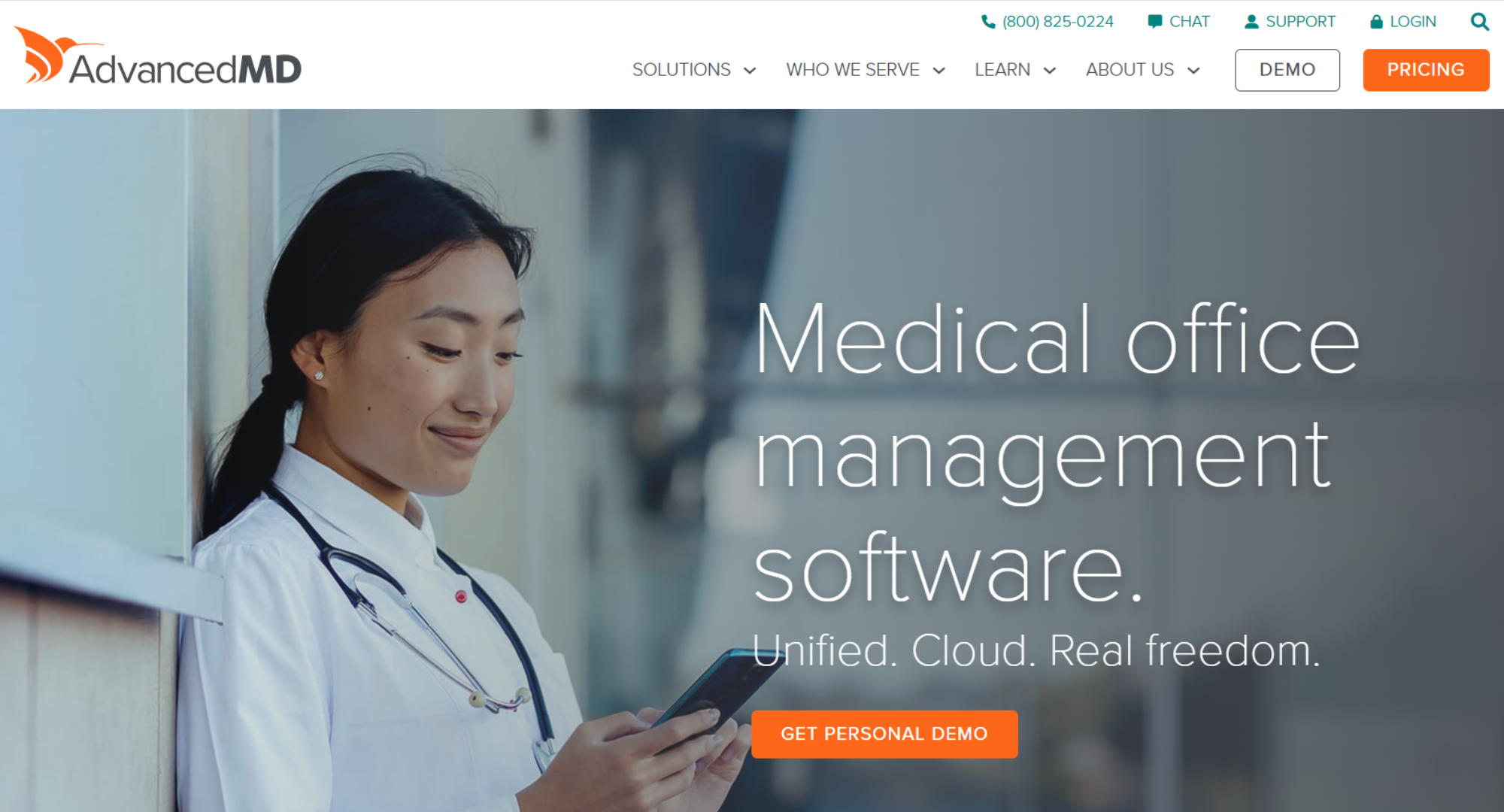
AdvancedMD offers flexible billing and RCM tools suitable for multi-department operations.
Key details
- Deployment: Cloud-based
- Pricing model: Monthly subscription
- Best for: Hospital-affiliated clinics and specialty groups
Core billing capabilities
- Claims management and collections
- Patient billing and payment tools
- Operational dashboards
Why hospitals choose AdvancedMD
- Faster onboarding
- User-friendly workflows
Considerations
- Enterprise reporting depth may vary
8) Waystar
Waystar focuses on claims accuracy and payment optimization.
Key details
- Deployment: Cloud-based
- Pricing model: Transaction-based or subscription
- Best for: Hospitals aiming to reduce denials
Core billing capabilities
- Advanced claim scrubbing
- Denial analytics and follow-up
- Patient payment portals
Why hospitals choose Waystar
- Improved clean claim rates
- Strong payer connectivity
Considerations
- Often used alongside existing EHR systems
9) CareCloud
CareCloud provides modern billing and analytics for specialty-driven hospitals.
Key details
- Deployment: Cloud-based
- Pricing model: Subscription or RCM services
- Best for: Hospitals prioritizing analytics and usability
Core billing capabilities
- Claims management
- Financial reporting dashboards
- Patient billing tools
Why hospitals choose CareCloud
- Clean interface
- Specialty-focused workflows
Considerations
- Enterprise scalability should be evaluated
10) Greenway Health
Greenway Health delivers scalable medical billing and revenue cycle solutions tailored for complex, multi-specialty care environments.
Key details
Deployment: Cloud-based
Pricing model: Subscription-based or RCM services
Best for: Multi-specialty hospitals focused on compliance-driven billing
Core billing capabilities
End-to-end revenue cycle management
Specialty-specific coding and charge capture
Claims scrubbing and denial management tools
Revenue and performance analytics
Why hospitals choose Greenway Health
Strong compliance and regulatory support
Flexible workflows across specialties
Considerations
Enterprise deployment planning is essential
Advanced reporting may require configuration
Implementation Checklist for Multi-Specialty Hospitals
Before deployment, hospitals should:
- Document billing workflows for each specialty
- Confirm payer rules and coding requirements
- Validate EHR integration points
- Run a pilot rollout in one department
- Train the billing and clinical staff together
- Track denial rate, days in A/R, and net collection rate
Automation case studies referenced by Business Insider show hospitals significantly reduced manual billing effort after implementing modern RCM platforms.
Expected ROI and Business Impact
Hospitals using the right medical billing software typically see:
- Faster reimbursements
- Lower denial and rework rates
- Improved cash flow predictability
- Reduced administrative burden
Many hospitals aim for a 20 to 40 percent reduction in claim denials within the first year, depending on starting performance and process maturity.
Conclusion
Selecting from the top 10 medical billing software for multi-specialty hospitals requires a clear understanding of hospital size, specialty mix, and long-term growth plans. Enterprise hospitals may prioritize deep EHR integration, while others may value faster deployment and flexibility.
A structured evaluation, pilot testing, and measurable performance goals help ensure the chosen system supports sustainable revenue growth across all departments.