Managing business finances efficiently is no longer optional, it is the backbone of sustainable growth, legal compliance, and long-term stability. As we move into 2026, free accounting software has evolved far beyond basic bookkeeping. These platforms now deliver automation, intelligent insights, cloud access, and compliance-ready features, allowing businesses to manage finances professionally without investing in expensive subscriptions. For early-stage companies and independent professionals, this shift has removed one of the biggest barriers to financial discipline.
Today, freelancers, startups, eCommerce sellers, consultants, and small businesses rely on modern accounting platforms to handle invoicing, expenses, reporting, and daily financial workflows. At the same time, ERP-connected accounting systems are becoming more common, helping businesses integrate accounting with inventory, sales, and operations. This updated 2026 guide covers the top 10 free accounting software, their latest capabilities, free-plan limitations, ideal use cases, and a comparison framework to help you choose the right solution with confidence.
Why Free Accounting Software Matters in 2026
Free accounting software is no longer an entry-level option with limited value. In 2026, many free tools deliver core accounting intelligence that was once restricted to paid enterprise platforms. Businesses now face increasing compliance requirements such as GST, VAT, and sales tax, while also managing remote teams and cloud-based operations. At the same time, there is constant pressure to reduce operational costs without compromising financial accuracy or visibility.
Modern free accounting platforms respond to these realities by offering secure cloud access, automated workflows, and real-time financial dashboards. They allow business owners to track income, expenses, and cash flow without manual spreadsheets or fragmented tools. For startups and growing companies, this means better financial control, improved decision-making, and compliance readiness from day one—without additional financial strain.
Key Advantages of Modern Free Accounting Tools
1) Automated invoicing and recurring billing have become standard in free accounting software. Businesses can create professional invoices, schedule recurring payments, and automate follow-ups, which significantly reduces administrative workload. This automation helps maintain consistent cash flow while minimizing human error and delays caused by manual billing processes.
2) Smart payment reminders and real-time dashboards give businesses immediate visibility into their financial health. Automated reminders encourage clients to pay on time, while dashboards provide instant insights into revenue, expenses, profit margins, and outstanding invoices. Together, these features help business owners make informed decisions without waiting for month-end reports.
3) Cloud syncing, mobile access, and AI-based categorization ensure flexibility and accuracy. Teams can access financial data securely from anywhere, capture receipts on the go, and rely on AI to categorize expenses correctly. Combined with GST/VAT-ready invoicing and encrypted backups, free accounting tools now offer a balance of convenience, compliance, and security that meets modern business expectations.
Read This:- Best 5 Account Management Software For US Businesses
Free Accounting Software Comparison Table (2026)
| Software | Best For | Cloud / Offline | Key Free Features | Free Plan Limitations |
| Wave | Service-based businesses & freelancers | Cloud-based | Unlimited invoicing, expense tracking, AI categorization, cash-flow dashboard | Payroll & advanced analytics are paid |
| ZipBooks | Consultants & agencies | Cloud-based | Unlimited invoices, time tracking, business health score | Limited bank connections & reports |
| Akaunting | SaaS startups & global teams | Cloud / Self-hosted | Multi-currency, multi-company, open API, reports | Advanced add-ons require payment |
| GnuCash | Offline users & NGOs | Offline (Desktop) | Double-entry accounting, budgeting, investments | No cloud or mobile access |
| Zoho Books | Indian SMBs & GST users | Cloud-based | GST invoicing, automation, bank reconciliation | Country & revenue-based eligibility |
| Manager.io | Manufacturers & offline SMEs | Offline (Desktop) | Inventory, payroll, fixed assets, reporting | Collaboration & cloud hosting are paid |
| Odoo | Growing ERP-driven businesses | Cloud / Self-hosted | ERP-level accounting, CRM & inventory integration | Requires technical setup & hosting |
| Invoice Ninja | Agencies & consultants | Cloud / Self-hosted | Unlimited clients, recurring invoices, time tracking | Limited accounting reports |
| NCH Express Accounts | Small local businesses | Offline (Desktop) | Basic accounting, tax calculations, reports | No cloud or mobile support |
| Brightbook | Freelancers & side-hustlers | Cloud-based | Basic invoicing, expense tracking | No automation or scalability |
Free Accounting Software (2026 Updated List)
1. Wave – Best Overall Free Accounting Software
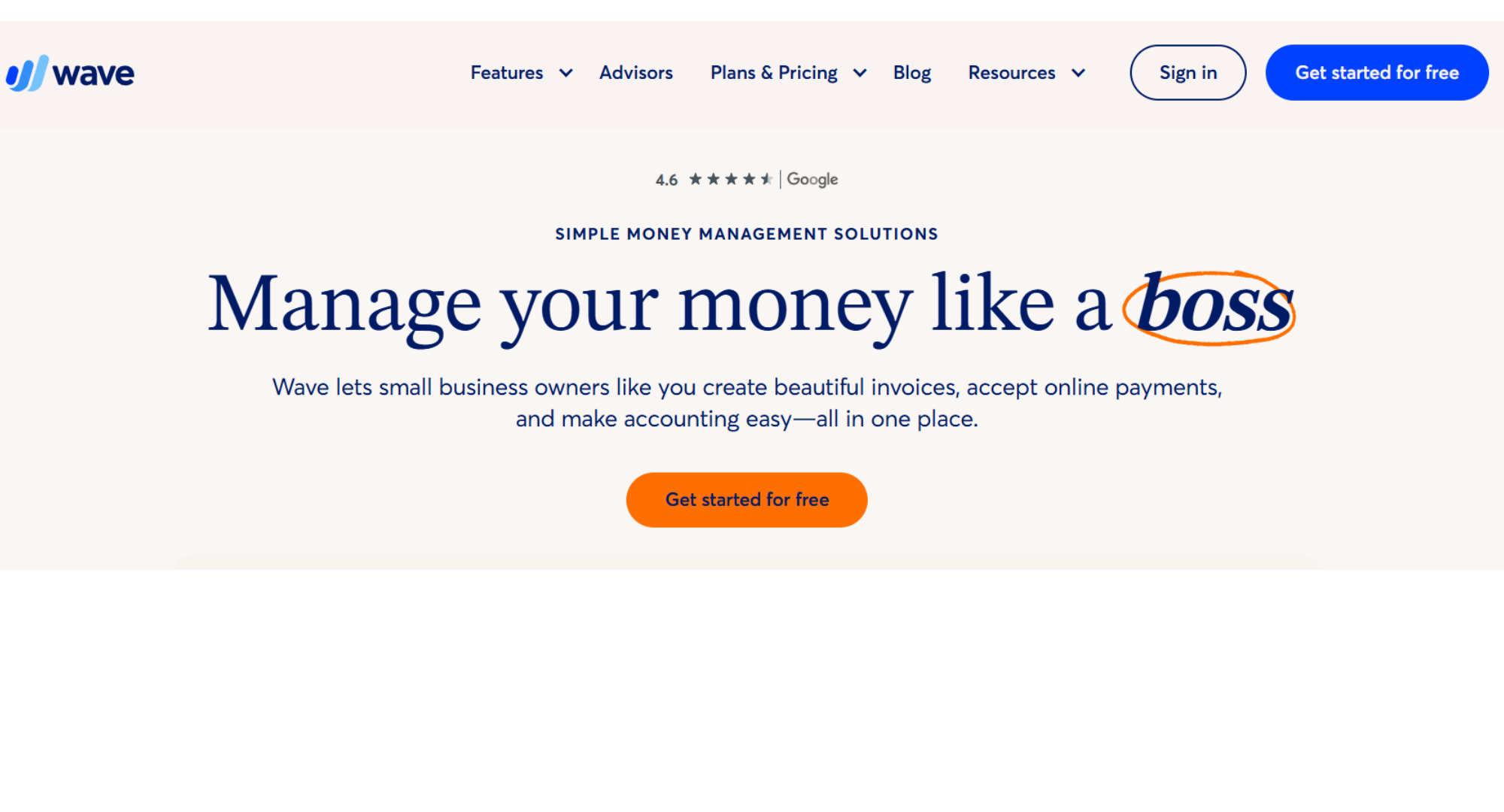
Wave remains one of the strongest truly free accounting platforms available in 2026. It provides unlimited invoicing, automated recurring bills, and AI-powered expense categorization within a clean, beginner-friendly interface. The platform uses a double-entry accounting system and offers real-time cash-flow dashboards, making it suitable for businesses that want professional bookkeeping without complexity. Secure cloud backups and receipt scanning with OCR further reduce manual work. While payroll and advanced analytics require paid add-ons, Wave is ideal for service-based businesses seeking a zero-cost, cloud-first solution.
2. ZipBooks – Smart, Insight-Driven Accounting
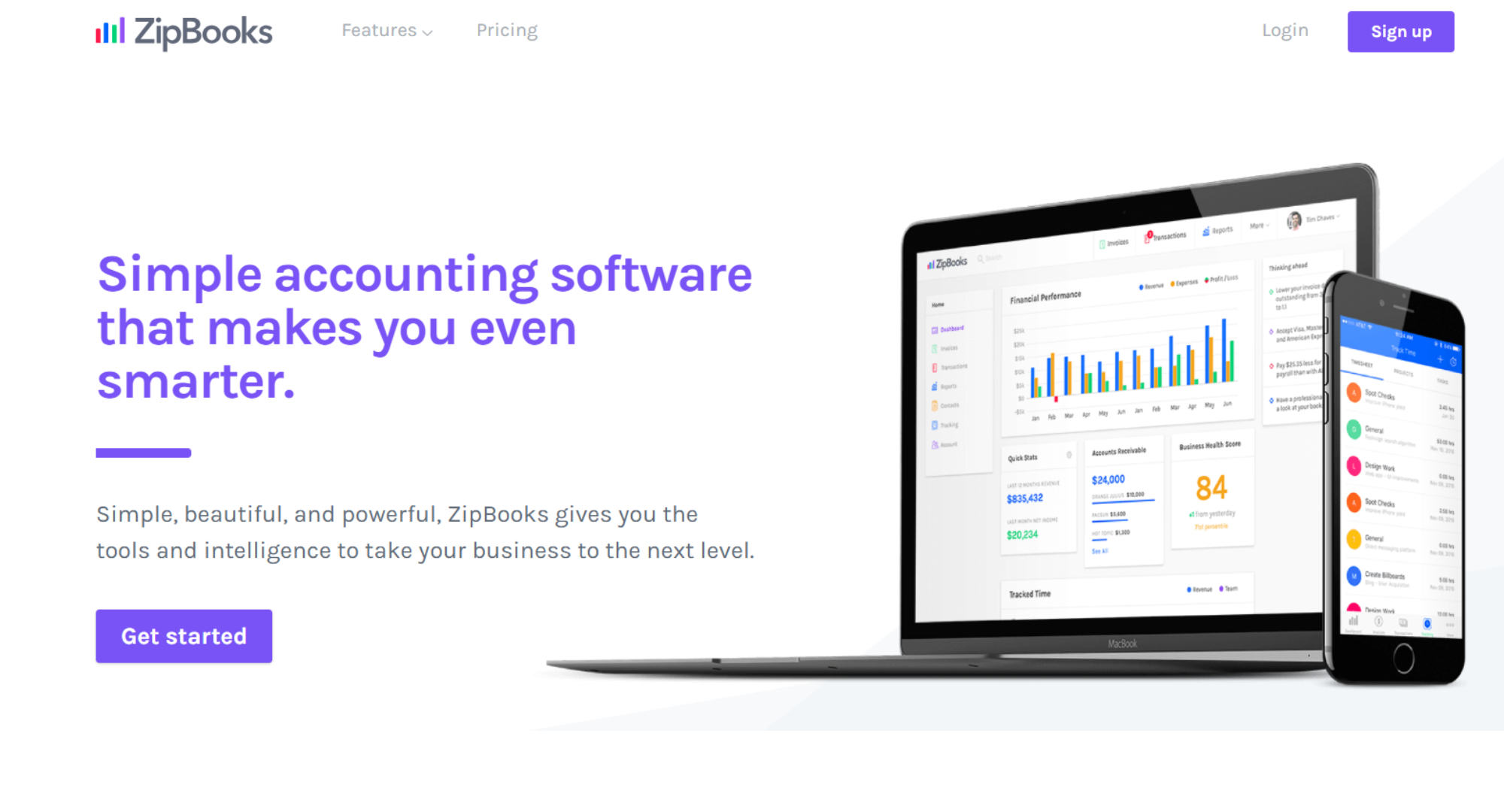
ZipBooks focuses on speed, clarity, and actionable financial insights rather than traditional accounting complexity. It offers unlimited invoicing, online payments, built-in time tracking, and AI-driven transaction suggestions that help users categorize data accurately. The Business Health Score dashboard provides an easy-to-understand overview of financial performance. Although the free plan limits bank connections and advanced analytics, ZipBooks is well-suited for consultants, agencies, and professionals who want quick financial visibility without deep accounting knowledge.
3. Akaunting – Most Flexible Open-Source Accounting
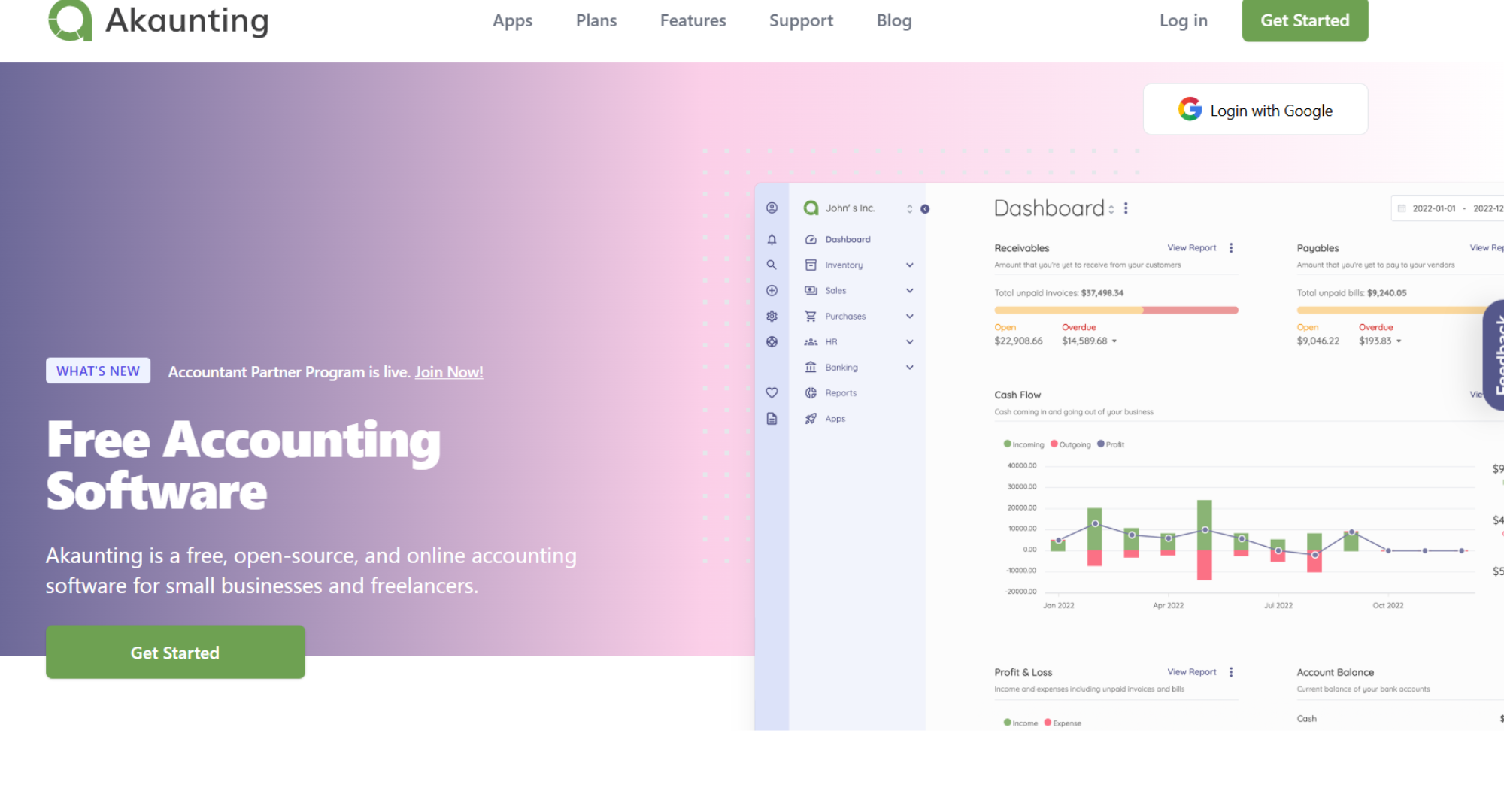
Akaunting is a powerful open-source accounting platform designed for customization and scalability. It supports multi-currency and multi-company accounting, custom dashboards, and detailed financial reports. With an open API and add-ons marketplace, Akaunting integrates easily with ERP, CRM, and inventory systems. While customization requires technical expertise and some features rely on paid add-ons, Akaunting is an excellent choice for SaaS startups and globally distributed teams seeking long-term flexibility.
4. GnuCash – Best Offline Desktop Accounting
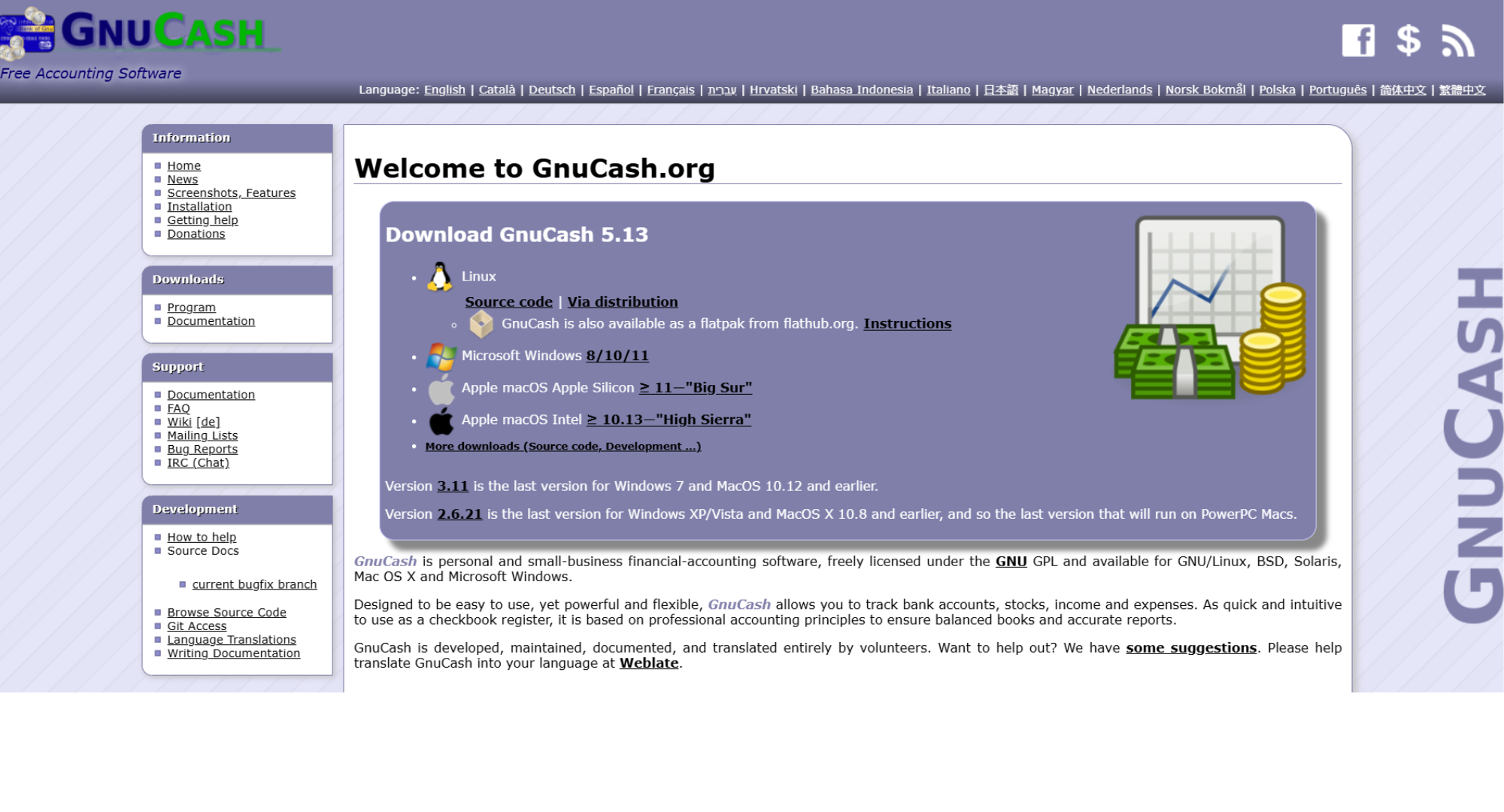
GnuCash is a mature, offline-first accounting solution that prioritizes data ownership and privacy. It offers advanced double-entry accounting, budgeting tools, investment and loan tracking, and scheduled transactions. Because it runs locally, businesses maintain full control over their financial data without relying on cloud servers. Although its interface feels dated and lacks mobile or cloud access, GnuCash is ideal for accountants, NGOs, and organizations that prefer offline operations.
5. Zoho Books (Free Edition) – Best for GST & Automation
Zoho Books delivers enterprise-level automation and tax compliance, particularly for Indian businesses. The free edition includes GST-compliant invoicing, AI-powered bank reconciliation, automated workflows, and mobile accounting apps. Integration with the broader Zoho ecosystem allows businesses to scale seamlessly as needs grow. While eligibility depends on country and revenue limits, Zoho Books is one of the most reliable free options for compliance-driven SMBs.
6. Manager.io – High-Performance Offline Accounting
Manager.io offers robust accounting capabilities in a fast, offline desktop application. It includes inventory management, fixed assets, payroll (region-based), and detailed financial reporting. The software is well-suited for businesses that require high performance without internet dependency. Although collaboration features are limited and cloud hosting is paid, Manager.io works well for manufacturers and offline-first SMEs.
7. Odoo Community Edition – Free ERP-Level Accounting
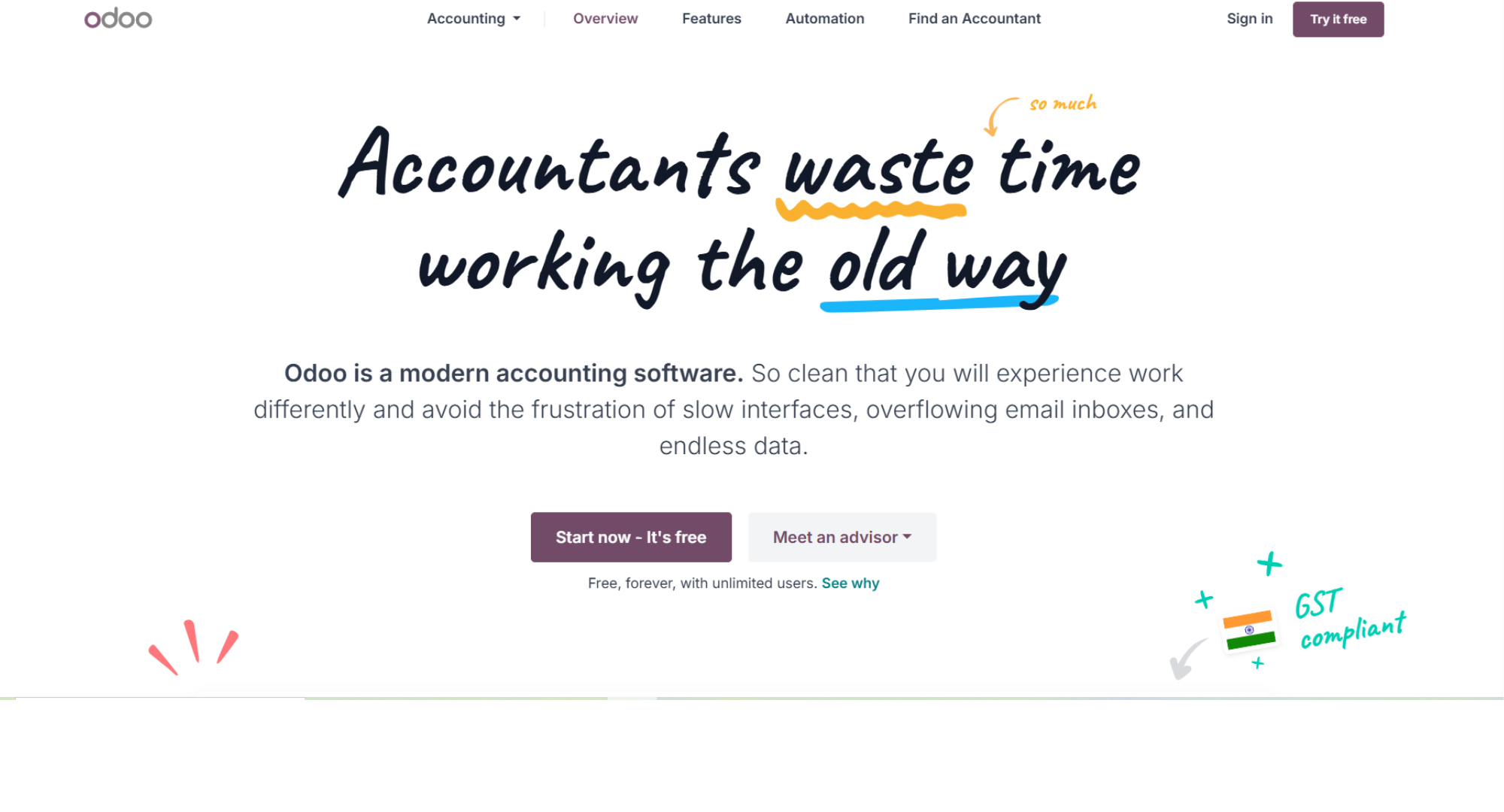
Odoo Community Edition integrates accounting within a full ERP ecosystem. It connects finance with CRM, inventory, POS, and operations, offering audit-ready reporting and automation rules. As an open-source platform, it is fully customizable but requires technical setup and potential hosting costs. Odoo is best for growing businesses that want accounting tightly connected with multiple departments.
8. Invoice Ninja – Best for Invoicing & Project Billing
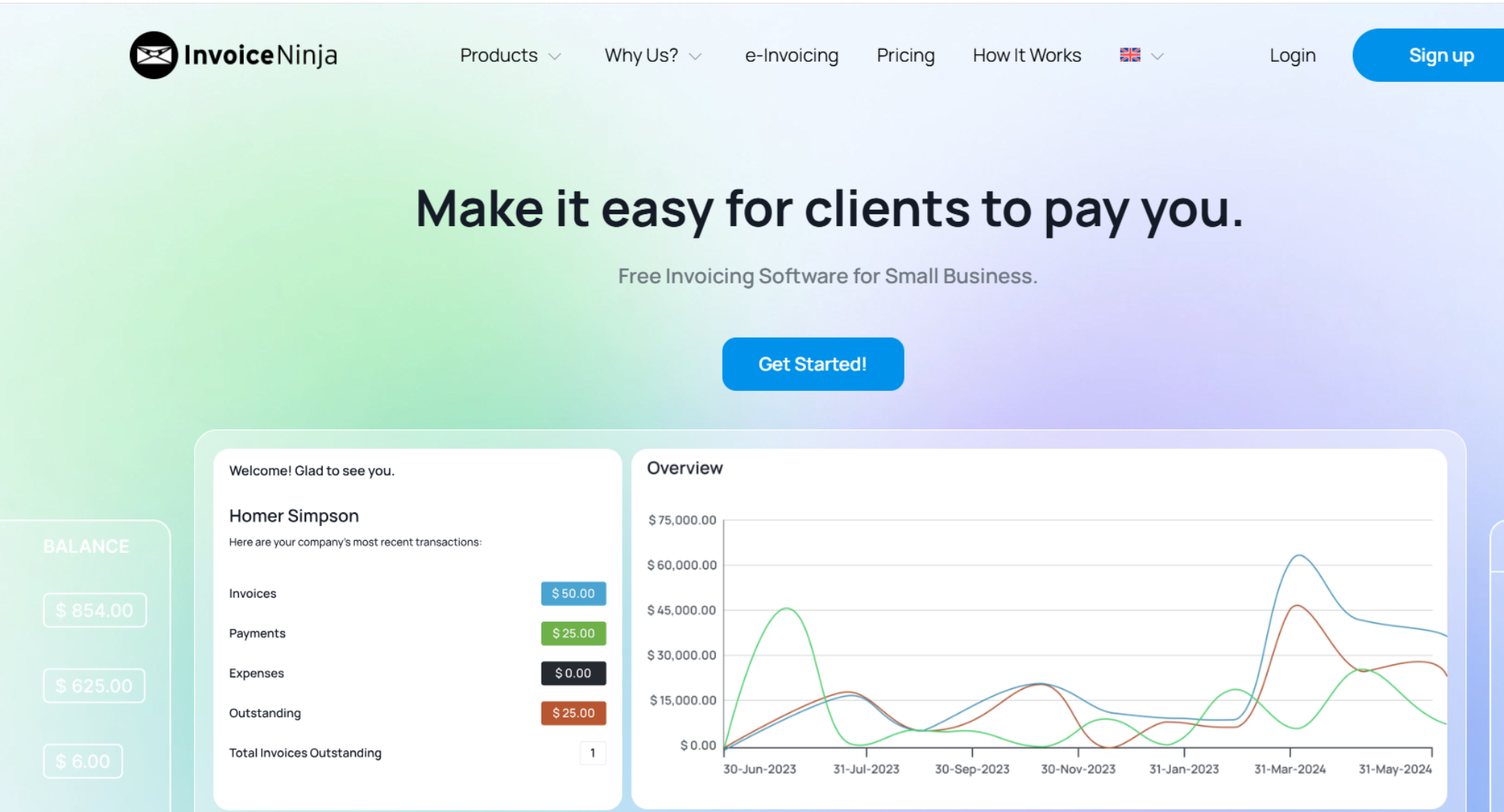
Invoice Ninja focuses on invoicing and billing workflows rather than full accounting. It provides unlimited clients, recurring invoices, time tracking, project billing, and client payment portals. Expense tracking is available, but advanced accounting reports are limited. This makes Invoice Ninja a strong choice for agencies, developers, and consultants who prioritize billing efficiency.
9. NCH Express Accounts – Simple Offline Accounting
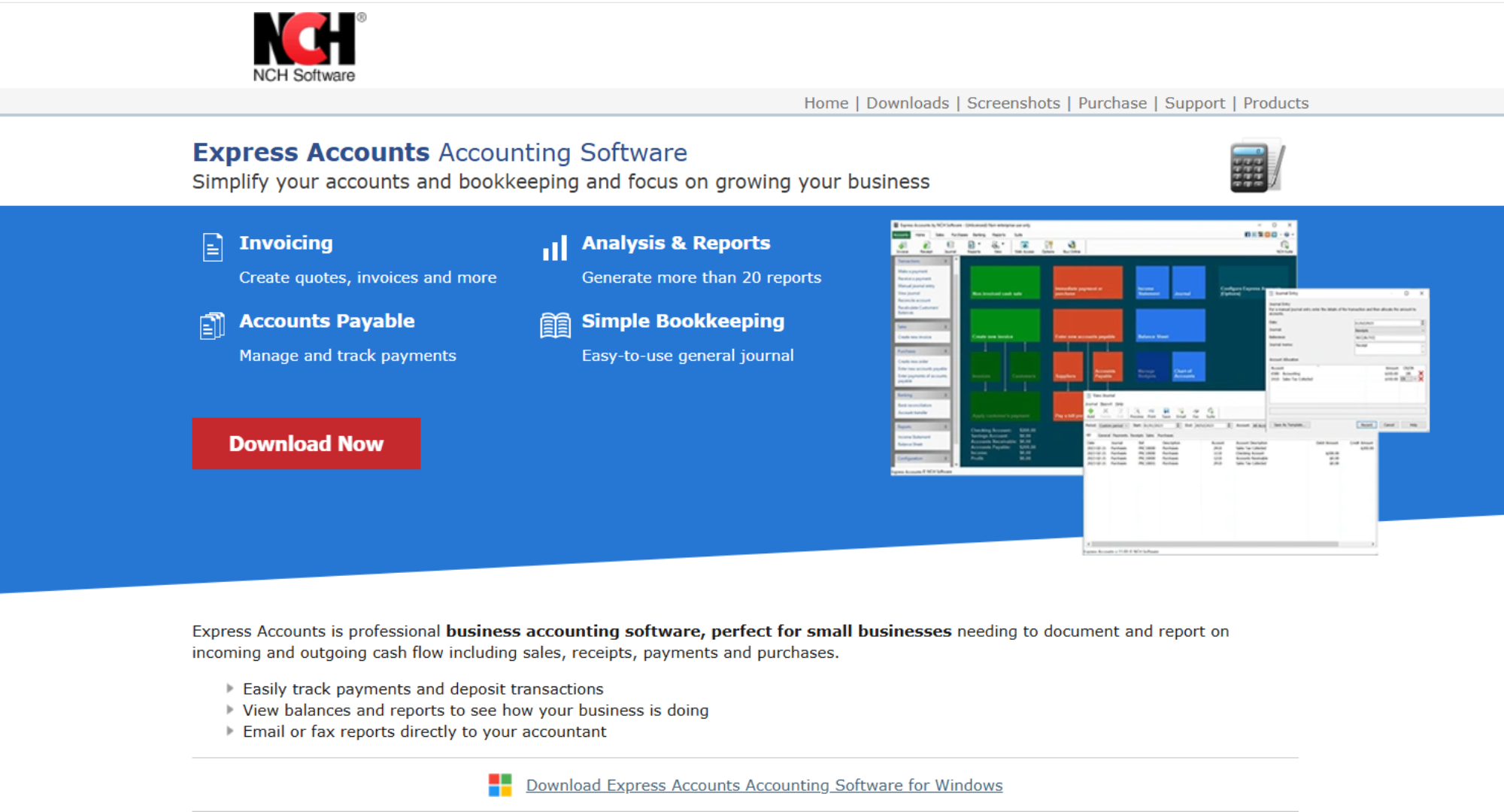
NCH Express Accounts offers a traditional offline accounting experience with essential features such as customer management, tax calculations, and basic financial reports. It is easy to use and suitable for businesses with straightforward accounting needs. However, it lacks cloud access and mobile support, making it best for local shops and home-based businesses.
10. Brightbook – Lightweight Accounting for Freelancers
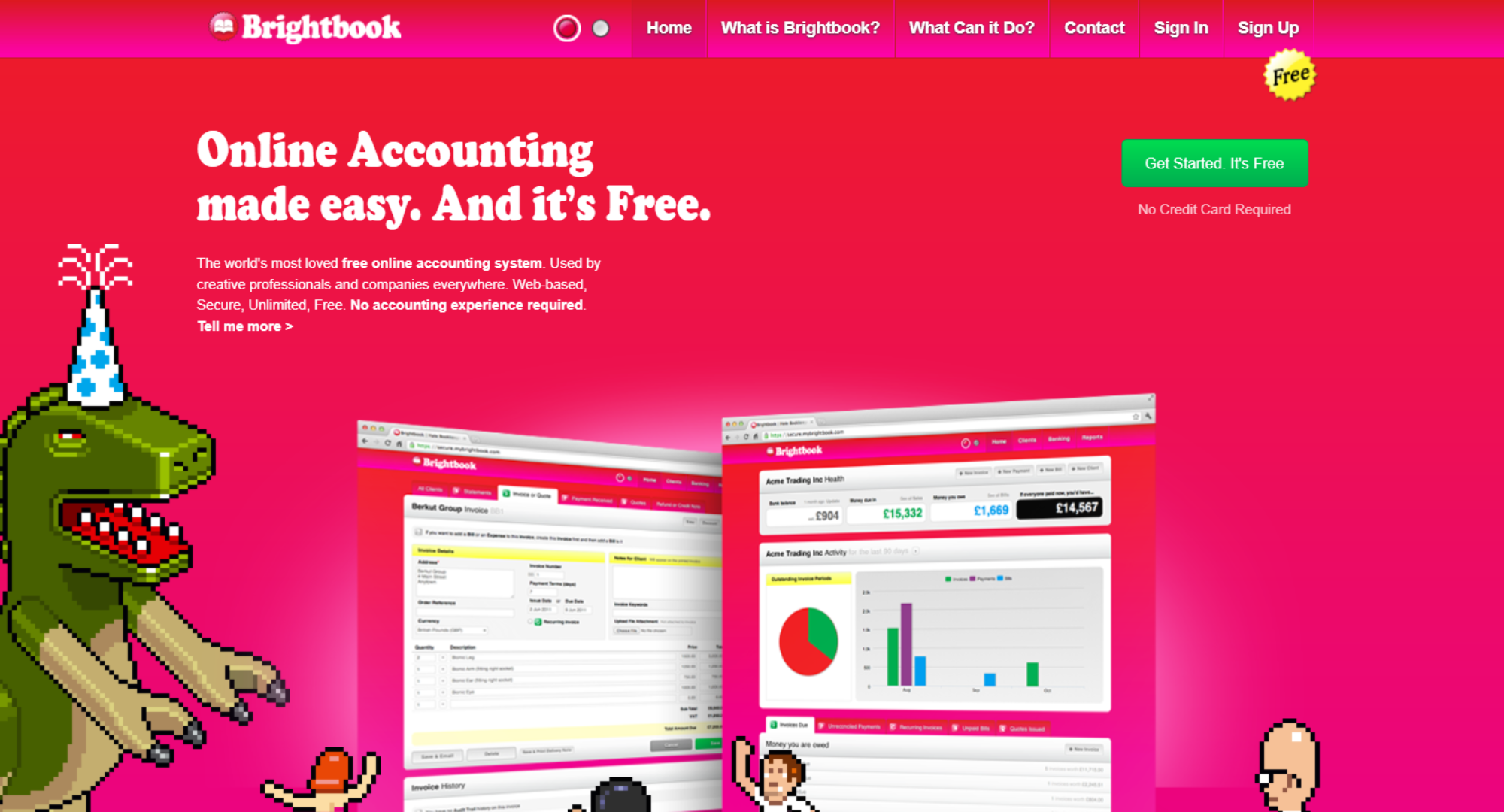
Brightbook is designed for freelancers and side-hustlers with minimal accounting requirements. It supports basic invoicing, expense tracking, and simple dashboards. While it lacks automation and scalability, Brightbook works well for individuals who need a simple way to track income and expenses without complexity.
Final Thoughts
Free accounting software in 2026 has matured into a dependable solution for managing daily business finances without added cost. These tools now handle invoicing, expense tracking, reporting, and tax compliance with accuracy and efficiency, supporting both cloud-based and offline workflows. For freelancers, startups, and growing businesses, they provide strong financial visibility while reducing manual effort.
Choosing the right platform depends on business size, compliance needs, and long-term growth plans. Many businesses can rely on free tools well into their growth phase and upgrade only when payroll, inventory, or advanced analytics become essential. Starting with the right free accounting software helps businesses stay compliant, control costs, and scale confidently as financial complexity increases.